A program officer has your proposal open in one tab. In another, they’ve typed your group’s name into Google.
What comes up in the next ten seconds shapes how they read everything else. An outdated website, a broken sign-up form, no mention of your last workday: all of it quietly says “maybe not.” A current event page, a few neighbors vouching for you, a photo from last week: that says “these people show up.”
Thanks for reading Digital Tools for Social Impact! Subscribe for free to receive new posts and support my work.
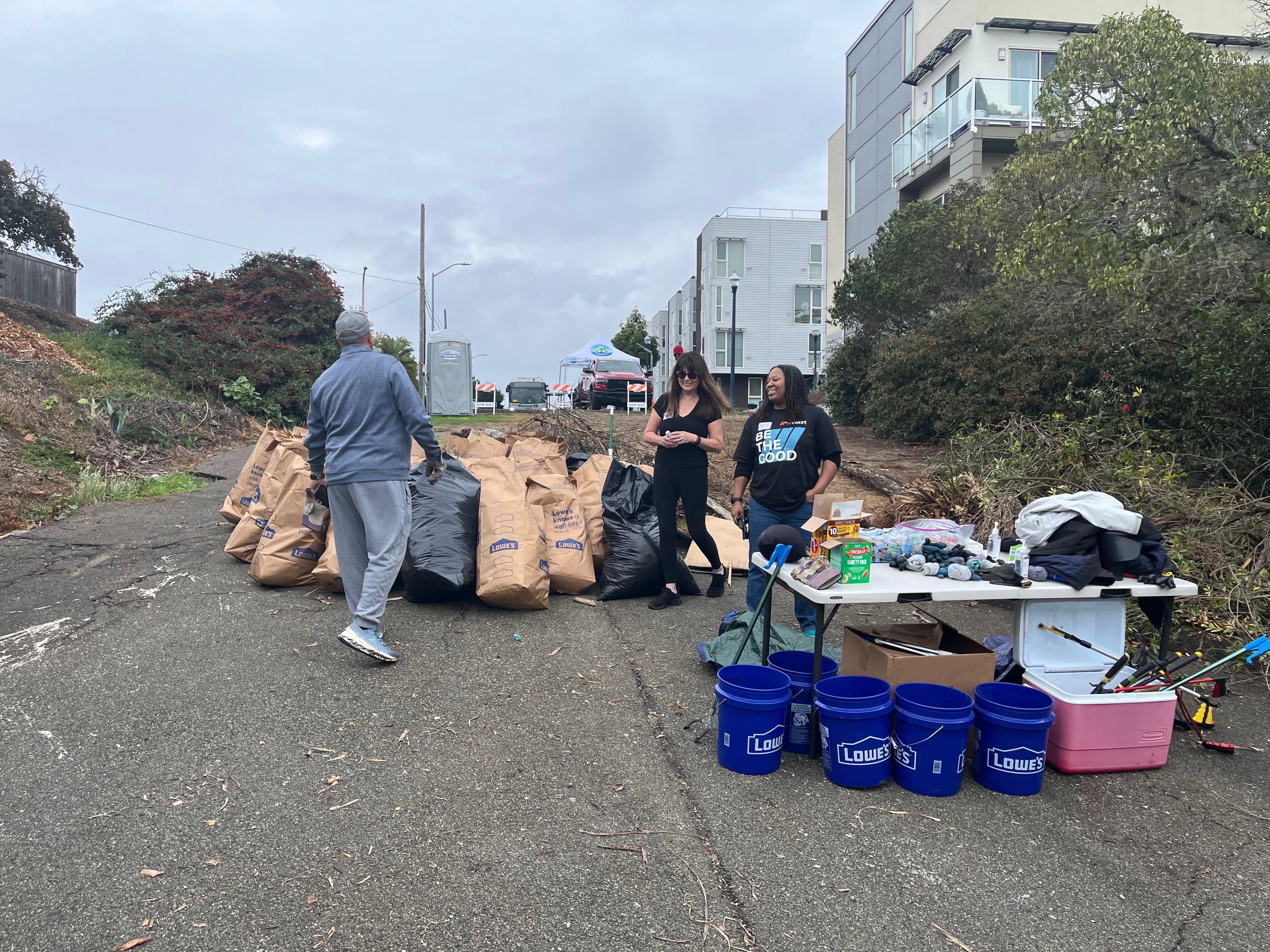
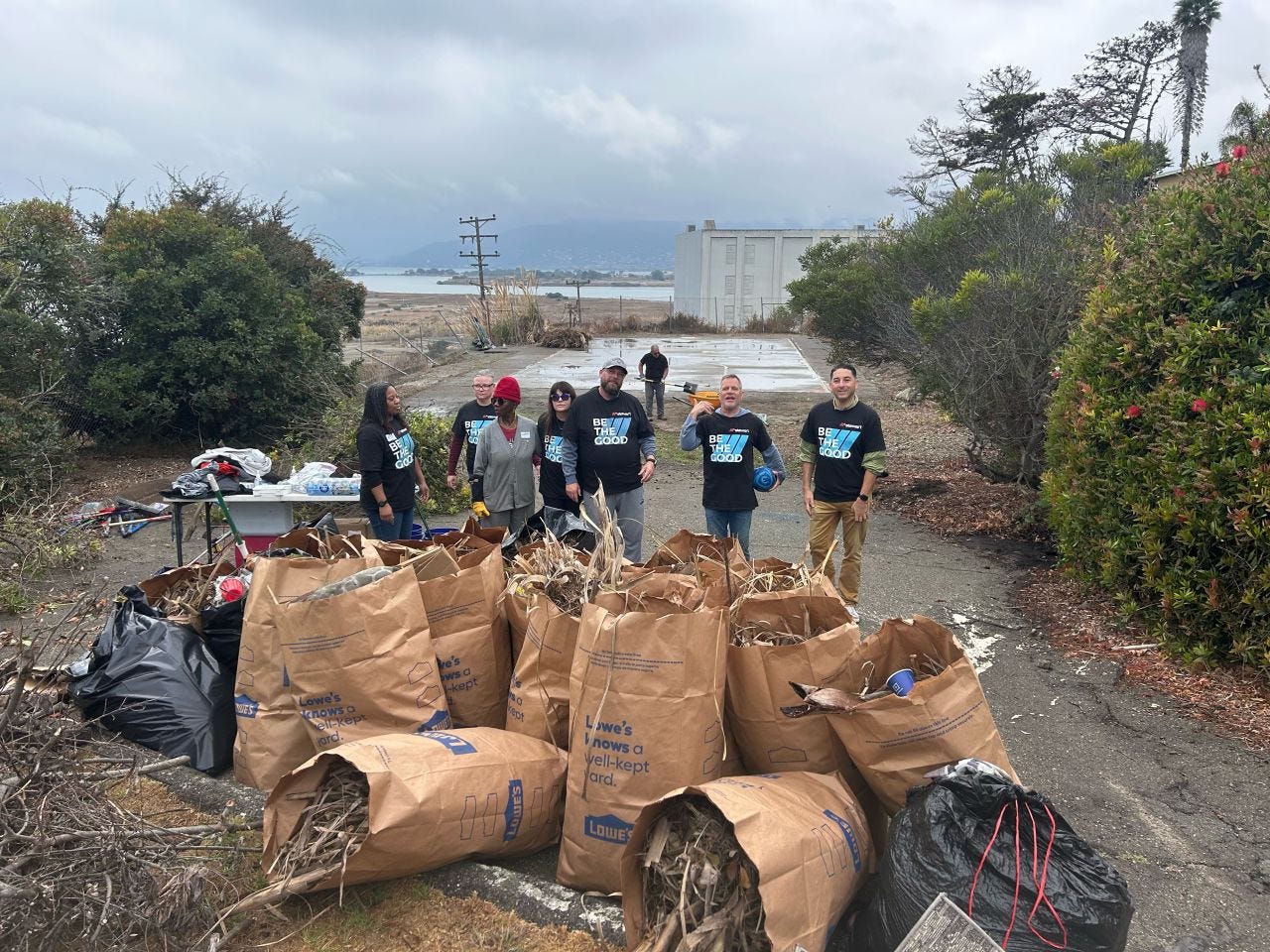
Here’s what the good version looked like for us. On Friday morning, October 23, fifteen people showed up at Mariners’ Village Park in Bayview-Hunters Point to prep an abandoned basketball court. Staff and volunteers from Rebuilding Together San Francisco came, along with a team from Stewart Title and neighbors who live near the park.
At 9 a.m., weeds choked the court and the surrounding area. By noon, volunteers had cleared the weeds, trimmed the trees, and removed the trash. The site was ready for the next step.
That next step is big. The court is getting new hoops, a new cover, and fresh paint. Around it, volunteers will plant a dense Miyawaki-method “biodiversity forest” and native grass beds that soak up stormwater and reduce local flooding.
Here’s the part that matters for this post. That same day, one of the Stewart Title volunteers wrote about it on LinkedIn, tagged us, explained what the court will become, and thanked the City’s Community Challenge Grant program for making it possible. We didn’t write a word of it. But anyone who searches for us, including a future funder, can now find a company’s staff vouching for the project in public.
That’s the goal. You can build it in a week, for free.
Funders aren’t really funding your search ranking
Grants for neighborhood projects like plazas, stairway gardens, and street greening go to groups that have earned local trust. Funders are weighing risk. Will this group still be around in three years to maintain what they build? Do neighbors turn out? Will anyone vouch for them?
Search engines have drifted in the same direction. A page that other sites link to tends to beat a page stuffed with keywords. The work that earns trust on the sidewalk also helps online. You mostly have to make it visible.
Make joining take less than a minute
Put one sign-up link for your next workday at the very top of your homepage, not buried in a menu. Use a free form tool, ask for a name and an email, and stop there. If you’re chasing a grant, add a one-click support letter people can sign. Every extra field costs you, volunteers.
Keep a boring public log
After each workday, post four things: the date, how many people came, what got done, and a photo. Ten minutes, tops. Ours looks like this:
Oct. 23, 2026: Mariners’ Village Park. 15 volunteers from Rebuilding Together SF, Stewart Title, and the neighborhood. Cleared weeds, trimmed trees, and removed trash to prep the basketball court ahead of new hoops, a new court, and a Miyawaki forest planting.
Nobody reads these week to week. But in a year you have a turnout record you can paste into an application, and a reviewer can check it without asking you for anything.
Make it easy for partners to talk about you
Most groups skip this step, and it’s where the Stewart Title post came from. Corporate and nonprofit volunteers are usually happy to post about a good morning. They need you to make it easy.
Before they leave, hand them a photo, your exact name and tag, and one plain sentence about what the project is. Thank your funder by name in your own post, and link to every partner. Then ask each one to link back from their own page or newsletter.
Also ask three neighbors and one local business for a sentence of support, with their names, on your site. A post from a partner’s account is worth more than any keyword you could stuff into your homepage, and it comes from asking.
The local search basics
Claim your Google Business Profile and fill in every field.
Use the same group and project names everywhere, spelled the same way.
Write your service area and next event in plain text on the homepage, not just in an image.
Ask your neighborhood association or merchants’ group to list you.
Your week
Monday, fix the sign-up link. Tuesday, claim the Google profile. Wednesday, send three endorsement requests. Thursday, post the log from your last workday and tag your partners. Friday, send your homepage to a friend who doesn’t know your group and ask what confused them. Fix the first thing they say.
None of it is glamorous, and that’s why most groups skip it.
Reply and tell me what keeps
Thanks for reading Digital Tools for Social Impact! Subscribe for free to receive new posts and support my work.